
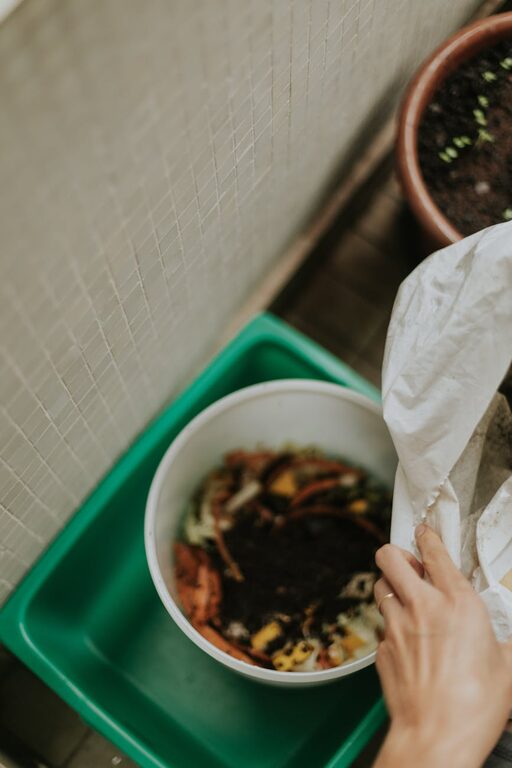
Reducing food waste at home is a simple yet impactful way to save money, conserve resources, and protect the environment. Every year, millions of tons of edible food go to waste in households worldwide, but with a few mindful habits, you can make a big difference. In this post, we’ll explore practical ways to reduce food waste that you can start using today.
Why Reducing Food Waste Matters
Food waste contributes to environmental problems such as greenhouse gas emissions and wasted water and energy used in food production. It also means money lost on food you never get to enjoy. By cutting down on food waste, you help conserve natural resources while stretching your grocery budget.
Plan Your Meals Ahead
One of the best ways to reduce food waste is through meal planning. Knowing what you intend to cook each day allows you to buy only what you need.
– Make a weekly meal plan: Outline breakfasts, lunches, dinners, and snacks.
– Use shopping lists: Stick to your list to avoid impulse purchases.
– Check your pantry and fridge first: Use up ingredients you already have before buying more.
Meal planning not only reduces waste but also saves time and stress during busy weekdays.
Shop Smartly
When grocery shopping, choosing the right quantities and types of food can prevent spoilage.
– Buy loose produce: Allows you to get the exact amount you need.
– Avoid bulk buys of perishable items unless you can freeze or preserve them.
– Choose fresh items with a longer shelf life if you’re unlikely to use them quickly.
– Pay attention to expiration dates, but understand that these are guidelines, not strict rules.
Store Food Properly
How you store food significantly affects how long it stays fresh.
– Keep fruits and vegetables separated: Some fruits emit gases that make veggies spoil faster.
– Use airtight containers: Helps keep leftovers and opened packages fresh.
– Use the right fridge temperature: Ideally between 1-4°C (34-39°F).
– Freeze surplus food: Extend the shelf life of items like bread, meat, and cooked dishes.
Proper storage reduces the chance of food going bad before you get a chance to use it.
Love Your Leftovers
Leftovers are one of the easiest ways to reduce waste and save time.
– Designate containers for storing leftovers.
– Eat leftovers within 3-4 days to ensure safety and taste.
– Get creative: Turn leftovers into new meals like soups, stir-fries, or sandwiches.
– Share with family or friends if you have more than you can eat.
By appreciating leftovers, you make the most of the food you buy.
Use All Parts of Your Food
Many parts of fruits, vegetables, and other foods are edible but often discarded.
– Cook vegetable stems, leaves, and skins when safe and appropriate.
– Make homemade broths using bones, vegetable scraps, and peels.
– Use overripe fruits in smoothies, baking, or jams.
This reduces waste and opens up new culinary possibilities.
Compost Food Scraps
Even with careful planning, some food scraps are unavoidable.
– Set up a compost bin for vegetable peels, coffee grounds, eggshells, and more.
– Use the compost to enrich your garden or houseplants.
– Avoid composting meat or dairy that attract pests.
Composting turns waste into a useful resource instead of landfill trash.
Regularly Organize Your Pantry and Fridge
Keeping your food storage areas tidy helps you keep track of what you have and prevents forgotten food from spoiling.
– Label and date leftovers and opened packages.
– Place older items in front so you use them first.
– Do weekly fridge checks to spot food nearing its expiration.
– Clean shelves regularly to avoid mold or spills.
A well-organized kitchen supports waste reduction efforts.
Educate Your Household
Food waste is a team effort; involve everyone in your home.
– Share tips and reasons for reducing waste.
– Encourage mindful eating habits.
– Assign roles like meal planning or composting to family members.
– Celebrate small successes to keep motivation high.
The more people are aware, the easier it is to maintain good habits.
—
Reducing food waste at home benefits your wallet, health, and the planet. By planning, shopping smartly, storing food properly, and using leftovers creatively, you can make a meaningful difference. Start with one or two strategies and build from there—every small change counts.
Happy cooking and waste reducing!